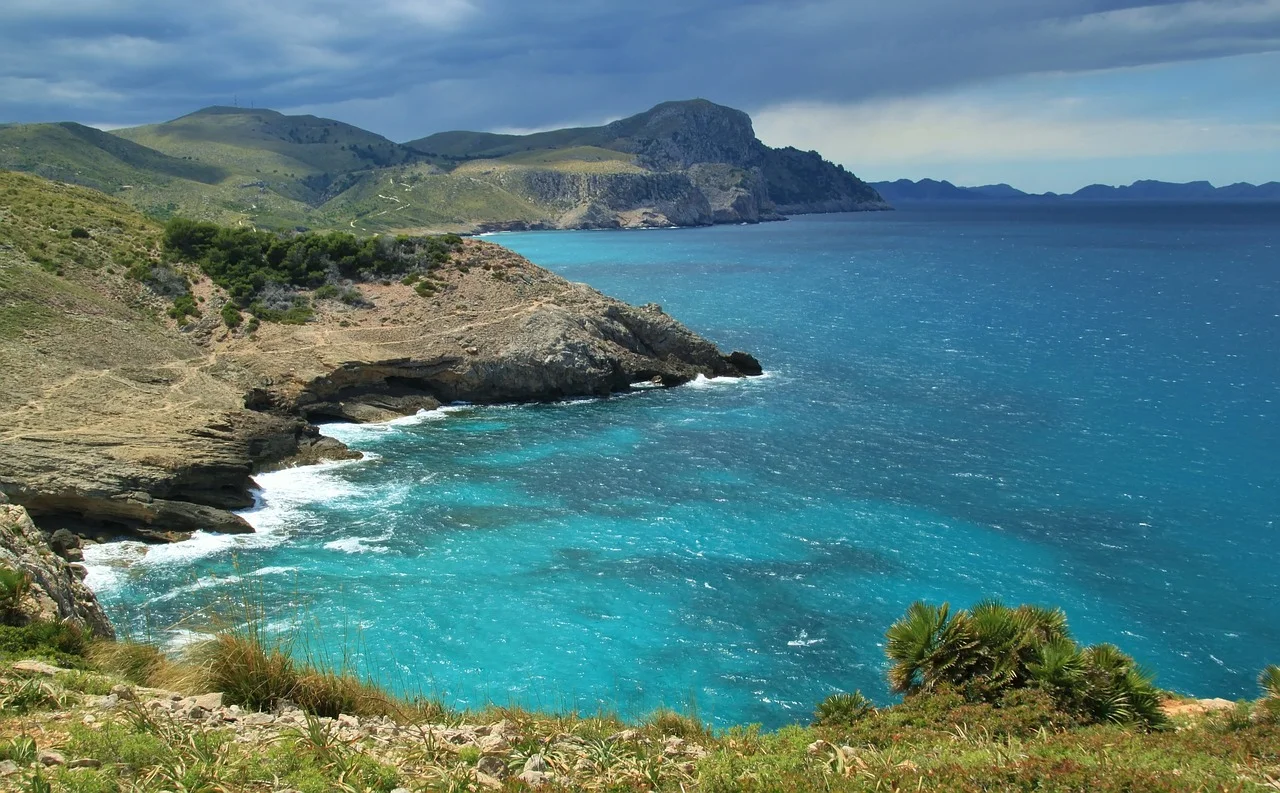
Sun, Sea, and Stable Value: The Most Popular Islands for Real Estate Buyers
Gorgeous sandy beaches, a Mediterranean climate, and the desire to slow down—owning a home on an island is at the top of the wish list for German buyers and investors. But which islands offer not only a high quality of life but also long-term value stability and solid growth potential?
1. Mallorca (Balearic Islands, Spain) — The Undisputed Market Leader
Mallorca remains the undisputed number one choice for German-speaking buyers. The invaluable combination of excellent year-round flight connections, first-class medical care, and international infrastructure makes this Balearic island the ideal destination for second homes and vacation properties.
- Sought-after locations: The exclusive southwest (Andratx, Santa Ponsa), the historic center of Palma, and traditional fincas in the quiet interior of the island (Santanyí, Santa Maria).
- Additional purchase costs in Spain: Plan for a total of 10 to 15% of the purchase price. The property transfer tax (ITP) in the Balearic Islands ranges from 8% to 13%.
- Important Note: The transfer of ownership is completed at the notary’s office via a certified bank check. A Spanish tax identification number (NIE) is mandatory for the purchase.
2. Crete (Greece) – The Versatile Heavyweight with Top Value for Money
Crete is increasingly becoming a hotspot for international buyers. Greece’s largest island offers over 1,000 kilometers of coastline, a well-established German-speaking community, and a well-developed year-round infrastructure.
- Market Advantage: Compared to other Mediterranean islands, Crete still stands out for its exceptionally attractive value for money.
- Purchase Process: EU citizens enjoy unrestricted freedom to purchase property and take up residence. Requirements include a Greek tax identification number (AFM) and a mandatory land registry review by a specialized attorney.
- Additional Purchase Costs in Greece: The real estate transfer tax is a moderate 3.09%; total additional purchase costs usually amount to 5 to 7%.
3. The Cyclades: Mykonos & Santorini (Greece) – The Exclusive Luxury Segment
Those seeking exclusive, premium locations, unobstructed ocean views, and world-renowned backdrops should turn their attention to the Cyclades archipelago.
- Profile: Iconic architecture, high-end dining, and an international jet-set crowd define Mykonos and Santorini.
- Investment Outlook: Given the high price levels, the focus here is on exclusive value preservation and outstanding returns during the peak tourist season.
- Golden Visa Program: For investors from non-EU countries, a threshold of €800,000 applies on sought-after islands such as Santorini or Mykonos for the residency program through real estate investments. EU citizens are exempt from this requirement.
4. Corfu & Rhodes – Lush Island Dreams & Tradition
- Corfu (Ionian Islands): Captivates with its green landscapes, Venetian-influenced architecture, and high quality of life. Particularly sought after by high-end buyers in the northeast of the island.
- Rhodes (Dodecanese): Offers over 300 days of sunshine a year, a rich cultural heritage, and long beaches—ideal for nature lovers and long-term vacationers.
Overview: Popular Islands for Real Estate Buyers—A Market Comparison
| Island / Region | Country | Key Benefits for Buyers | Additional Purchase Costs (approx.) |
|---|---|---|---|
| Mallorca | Spain | High value stability, year-round infrastructure, excellent transportation links | 10–15% |
| Crete | Greece | Attractive entry-level prices, diversity, long summer season | 5–7% |
| Mykonos / Santorini | Greece | Luxury segment, high prestige, strong rental yields in the summer | 5–7% |
| Corfu & Rhodes | Greece | Abundant nature, rich cultural heritage, high quality of life | 5–7% |
Expert Tips from EstateViva for Buying Island Real Estate
Important Note: When conducting a real estate transaction on an island, do not underestimate the local legal framework compared to Germany!
- In Spain, the notary does not automatically represent your interests—it is strongly recommended that you engage an independent attorney (abogado) to review the legal status and encumbrances of the property.
- In Greece, you must apply for a personal tax identification number (AFM) and open a local bank account before making a purchase.
- When arranging cross-border financing, always allow sufficient lead time for document review and notarization.