Real estate in Croatia: The most popular regions for foreign buyers
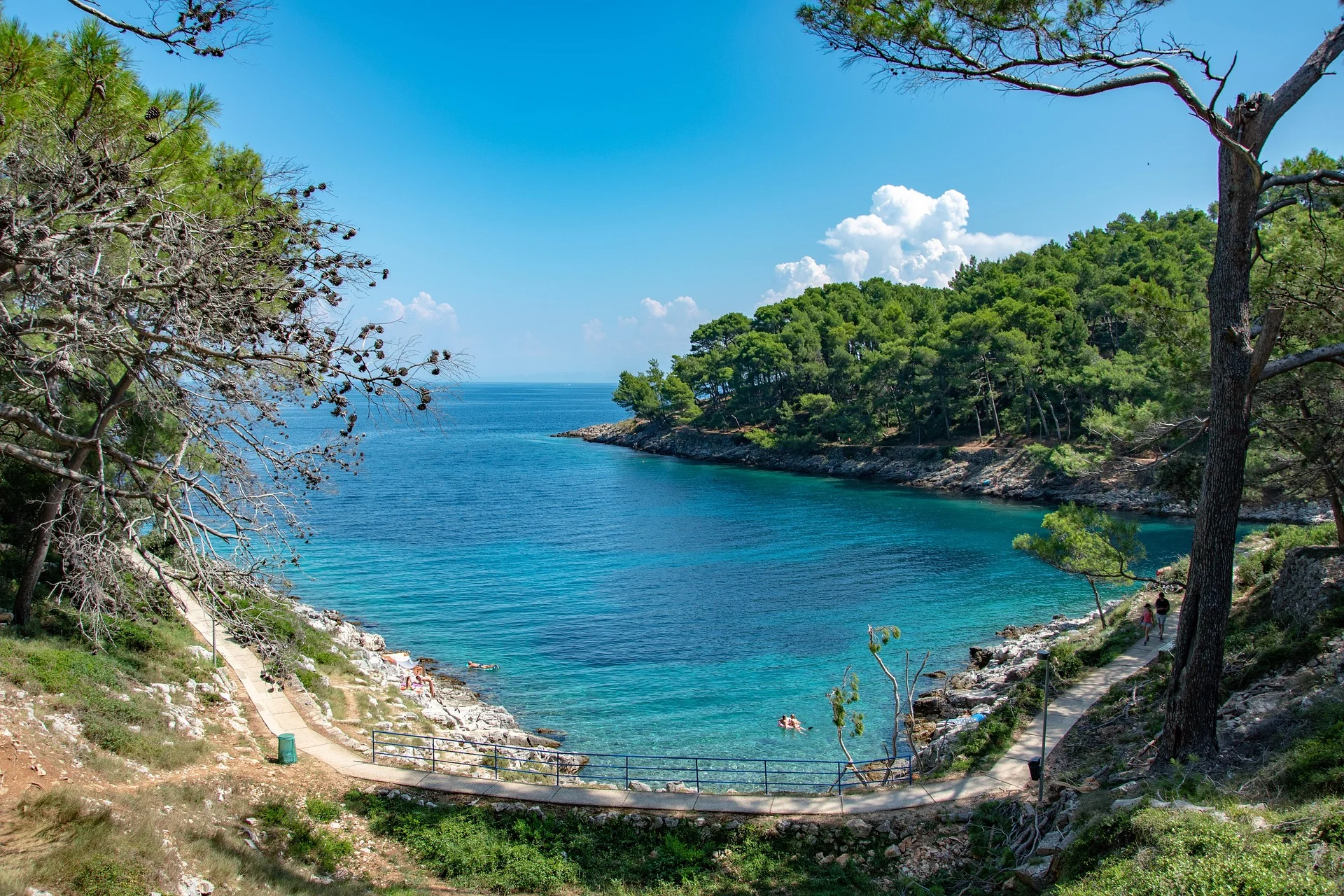
Real Estate in Croatia: The Most Popular Regions for Foreign Buyers
Foreign buyers account for a significant portion of the Croatian real estate market—along the coast, the share of transactions by foreigners (primarily from Germany, Austria, Slovenia, and Italy) sometimes exceeds 35%.
Since Croatia joined the eurozone and the Schengen Area, interest has surged significantly. The five regions in highest demand each appeal to very different buyer profiles.
Istria: The favorite for road trippers (“The Croatian Tuscany”)
Istria is the undisputed number one choice among buyers from southern Germany and Austria, as the peninsula is just a few hours’ drive away.
- Popular locations: Rovinj, Poreč, Umag, and the inland areas (e.g., Motovun).
- What are buyers looking for? High-end luxury villas with pools in the inland areas (surrounded by olive groves and vineyards) as well as modern apartments right on the coast.
- Prices: Very stable and high-end. Good apartments often range between €3,500 and €5,000 per m².
Kvarner Bay: Traditional Luxury & Island Charm
This region combines historic charm with excellent accessibility from the north.
- Popular locations: Opatija, Rijeka (Crikvenica Riviera), and the island of Krk, connected by a bridge.
- What are people looking for? In Opatija, investors are seeking exclusive, historic villas from the imperial era. On Krk, modern vacation homes with ocean views are the absolute top sellers.
- Prices: Opatija is among the most expensive areas in the country, while Krk and the hills behind Rijeka still offer good value for money.
Zadar Region: The Up-and-Coming Region with Potential
Zadar and the surrounding areas have become a real hotspot, as they are often still somewhat more affordable compared to regions further south.
- Popular locations: Zadar City, Biograd na Moru, and the island of Vir (very popular because it is connected to the mainland by a bridge).
- What’s in demand? New-build apartments near the beach and vacation homes as investment properties for tourist rentals.
- Prices: Slightly more moderate than Split or Istria, averaging around €3,400 to €3,700 per m².
Central Dalmatia (Split & Makarska): Urban Living & Top Returns
Here, a perfect air travel infrastructure (Split Airport) meets breathtaking nature.
- Popular locations: Split (especially neighborhoods like Meje or Bačvice), Trogir, the Makarska Riviera, and the islands of Hvar and Brač.
- What’s in demand? Exclusive properties in “first-row” locations (direct beachfront). The islands of Hvar and Brač primarily attract buyers seeking absolute privacy.
- Prices: With average prices ranging from €3,500 to over €4,500 per square meter, Split is among the more expensive regions but offers excellent rental opportunities.
South Dalmatia (Dubrovnik): The absolute premium segment
Dubrovnik is a global brand and primarily attracts affluent buyers from Western Europe, the U.S., and the U.K.
- Popular locations: Dubrovnik’s Old Town, the Pelješac Peninsula, and the island of Korčula.
- What are buyers looking for? Historic stone houses in the UNESCO-protected city center or ultra-modern luxury villas with unobstructed views of the Adriatic Sea. Pelješac has been booming since the construction of the new bridge.
- Prices: The highest in the country. In prime locations in Dubrovnik, prices in the prime segment regularly range from €5,000 to over €7,000 per square meter.
Buying Real Estate: Buy Privately or Contact an Agent?
The decision of whether to buy a property privately (on your own) or to hire an agent depends primarily on two factors: how much time and expertise you have, and how competitive the real estate market is in your desired region.
Option 1: Buy on your own (without an agent)
If you buy privately from an owner (or actively search for private sellers yourself), you avoid the traditional brokerage fee.
- Advantage – Significant cost savings: You save on the buyer’s commission (typically 3.57% of the purchase price, including VAT). For a purchase price of €400,000, that’s over €14,000 less in additional costs.
- Advantage – Direct communication: You negotiate directly with the owner without an intermediary. This can speed up negotiations and prevent misunderstandings.
- Disadvantage - Greater effort & risk: You must request, review, and understand all documents (land registry extract, energy performance certificate, declaration of division, minutes of the owners’ meeting) yourself.
- Disadvantage – Difficult price assessment: Without market knowledge, you’ll have to do extensive research on your own to determine whether the asking price is fair or completely inflated.
- Disadvantage – Limited selection: The majority of attractive properties are marketed through real estate agents. If you completely rule out agents, you’ll miss out on a large portion of the market.
Option 2: Contact an agent
You can either respond directly to real estate listings from agents or specifically commission an agent with a search request.
- Advantage – Access to “off-market” properties: Many agents offer new properties first to their registered clients before the listings appear on major real estate portals.
- Advantage – Legal protection: A professional real estate agent inspects the property in advance. They ensure that all documents are complete (important for your bank financing) and prepare the notarial contract.
- Advantage – Negotiation skills: The agent knows the local market. Often, through skillful negotiation, they can secure a discount that offsets their own commission.
- Disadvantage – The real estate agent’s commission: You have to pay the brokerage fee. When purchasing apartments and single-family homes, this is usually split 50/50 with the seller following the new legal regulations.
- Disadvantage – Variations in quality: Not every real estate agent is a top expert. There are differences in quality on the market, which is why you should look for certifications and references.
The direct comparison: When does what make sense?
Use the following overview to assess your personal situation:
| Criterion | Buying on your own (privately) | Contact an agent |
|---|---|---|
| Expertise | You are familiar with building structures, contracts, and land registries. | You are a layperson and want maximum legal protection. |
| Time commitment | You have time for daily research and dealing with government agencies. | You’re busy with work and want to offload the stress. |
| Market situation | There are many private options available (e.g., in rural areas). | The market is extremely competitive (e.g., in metropolitan areas). |
| Equity | The budget is tight (every euro counts when it comes to closing costs). | There is sufficient budget for closing costs. |
Recommendation
It doesn’t have to be a strict “either-or” situation. It’s best to combine the best of both worlds:
- Create search profiles: Set up a free search profile with local real estate agents in your desired region. A commission is only due if a purchase is actually made through that agent.
- Screen the private market: At the same time, keep an eye out for private sellers on platforms like classified ads or in local newspapers (“Private sale – no agent”).
- Have it reviewed independently: Whether buying from a private seller or an agent, always have the purchase contract and the property (especially older existing buildings) reviewed by an independent appraiser, expert, or lawyer before the notary appointment.