Dream of the Dolce Vita: Why more and more Germans are buying real estate in Italy
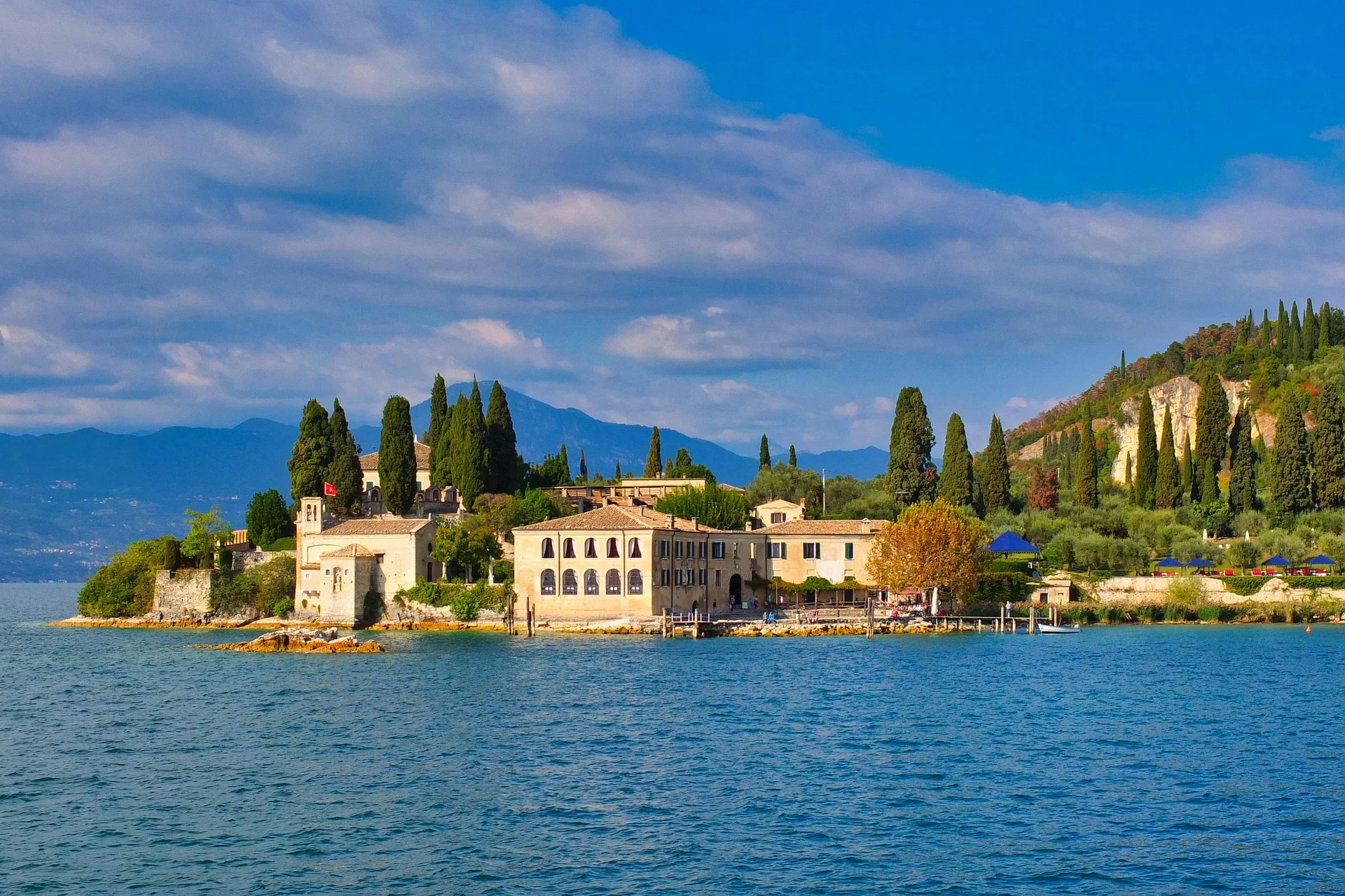
It’s November in Germany. The sky has been the same monotonous shade of gray for days, a cold drizzle is pattering against the windowpane, and the day just won’t seem to get properly bright. It’s in moments like these that you instinctively close your eyes and let your mind wander. You can practically smell the aroma of freshly brewed espresso in a small bar on the piazza, hear the gentle murmur of the sea in the background, and feel the warm Italian sun on your skin.
La dolce vita—the sweet life—has always held an almost magical allure for us Germans. But the longing for Italy has changed drastically in recent years. For many Germans, the country is no longer merely a travel destination to which one drives over the Brenner Pass for two weeks in the summer. More and more people are taking the plunge and turning that vacation feeling into a long-term life project. Whether as a crisis-proof investment against inflation, a flexible home office under olive trees, or an affordable retirement home: owning property in Italy is booming.
The hard facts of the real estate markets prove that this is not just a romantic daydream. In international search queries on Italian real estate portals, German buyers regularly occupy the top spots—even ahead of Americans and Brits. About one in five online searches from abroad for a new home in Tuscany, on Lake Garda, or in sunny Apulia now comes from Germany. But why is the Italian real estate market so attractive to German buyers right now? And how can the dream of owning a rustic home or an apartment by the sea become a reality without getting bogged down in the pitfalls of Italian bureaucracy? Let’s take a look behind the scenes of the Italian real estate market.
Why Italy, of all places?
More than just sunshine: The hard facts for buying Anyone who thinks that buying a property in Italy is purely a gut decision made on a whim while on vacation is sorely mistaken. Of course, the climate, the food, and the landscape play a huge role—but in the end, it’s often hard-nosed economic and practical arguments that lead German buyers to the notary.
Here are the three key drivers that currently make the Italian market so attractive:
1. The price contrast: An affordable dream instead of endless rent In major German cities and their affluent suburbs, the real estate market has become downright frustrating for many average earners. Anyone looking for a single-family home with a garden in Munich, Stuttgart, or Frankfurt is quickly looking at seven-figure prices. Italy offers a refreshing alternative here: While prices in prime luxury locations like Milan or right on Lake Como are also high, the situation is quite different in the surrounding areas and in the south. In beautiful regions like Abruzzo, Sicily, or parts of Apulia, the average price per square meter is often well below €2,000. For the money that in Germany would barely buy a two-bedroom apartment in need of renovation, it is not uncommon in Italy to be able to purchase a charming, detached country house—a so-called rustico—with its own olive grove.
2. The 7% Tax Trick for Retirees Italy has realized that foreign purchasing power benefits the country and attracts retirees with an extremely attractive tax break. German retirees who move their official primary residence to Italy can benefit from a flat income tax rate of just 7%. This regulation applies for a total of ten years and takes effect if you move to a municipality with a maximum of 20,000 residents in certain regions of southern Italy (such as Sicily, Sardinia, Apulia, Calabria, or Abruzzo). For many German seniors, this means: fewer deductions from their hard-earned money, and more budget for life under the sun.
3. The “New Work” Factor: The Office Under Olive Trees The world of work has changed fundamentally. The days when you had to sit in a German office five days a week are over for many. Remote work and working from home are here to stay—and that opens up entirely new horizons. More and more younger professionals and families are asking themselves: Why work in a gray suburb when the laptop can just as easily be set up on a terrace in Tuscany? Thanks to modern satellite internet solutions like Starlink, a stable high-speed connection is guaranteed even in remote, idyllic villages in Italy. The concept of the “digital nomad” has gone mainstream: a video call with the German team in the morning, pasta at the local trattoria at lunchtime, and a dip in the pool after work.
Popular Regions: Where Germans Seek Their Happiness
From Lake Garda to Sicily: A comparison of the hotspots Italy is incredibly diverse. Every region has its own character, its own cuisine—and, above all, its own price level. The geographic preferences of German buyers can essentially be divided into three major zones, each catering to completely different needs:
- The North (Lake Garda, Lake Como, Liguria): The favorite for anyone seeking maximum flexibility. From southern Germany, you can reach your destination in just a few hours by car. Perfect for spontaneous weekend trips, though also the most exclusive and expensive area.
- The Center (Tuscany, Umbria): The timeless dream destination. Here you’ll find classic postcard Italy with rolling cypress-covered hills, historic wineries, and world-famous culture. Prices are high, but the property’s value stability is extremely strong.
- The South (Apulia, Sicily, Calabria): A paradise for bargain hunters, beach lovers, and retirees. If you’re looking for authentic, untamed Italy and want to take advantage of the tax benefits mentioned earlier, this is the place for you. Here, you still get the most square footage for your money.
A direct comparison of the regions To give you a quick overview of which region best fits your budget and plans, here’s a summary:
| Region | Perfect for... | Accessibility | Price level | Property types |
|---|---|---|---|---|
| The North (e.g., Lake Garda, Liguria) |
Commuters, weekenders, luxury lovers | Excellent (car/train from southern Germany, short flights) | High | Modern apartments with lake views, luxurious villas |
| The Center (e.g., Tuscany, Umbria) |
Culture enthusiasts, wine lovers, those seeking peace and quiet | Good (flights to Florence/Pisa, approx. 8–10 hours by car) | Medium to high | Historic stone houses (rustici), wineries |
| The South (e.g., Apulia, Sicily) |
Retirees (7% tax), beach lovers, bargain hunters | Moderate to Good (usually only reasonably accessible by plane) | Budget to mid-range | Typical trulli (Apulia), townhouses, beachfront villas |
Whether you’re drawn to the mountains of northern Italy or the coasts of the south: each of these regions has its own unique charm. The key is to carefully consider in advance how often a year you plan to use the property—because a house that can only be reached by plane is visited less frequently in everyday life than an apartment on Lake Garda.
How much does the dream cost? A realistic look at real estate prices “Can I even afford a house in Italy?”
That’s probably the most common question prospective German buyers ask themselves.
The short answer is: Yes, absolutely—as long as you know where to look. Italy doesn’t have a uniform real estate market. Prices vary wildly depending on the region, proximity to the sea, or tourist hotspots.
The Premium Class: The North (Lake Garda & Northern Italian Lakes) Those who value the proximity to Germany and the North’s excellent infrastructure will have to dig deep into their pockets.
Regions like the western shore of Lake Garda (e.g., Salò or Desenzano) or Lake Como are among the most expensive areas in the country.
- Average price per square meter: €3,500 to over €6,000 (and significantly more in prime locations).
What do you get for your money?
For around €250,000, you’ll typically get a well-maintained but smaller two-bedroom vacation apartment in a residence in the north, often a bit away from the lakeshore. Detached villas with lake views rarely start below €800,000.
The upscale mid-range: Tuscany & Umbria Tuscany is the timeless favorite of Germans. But not all of Tuscany is the same. While the coast (Versilia) and the famous Chianti wine region are very expensive, there are still real hidden gems in the north (Garfagnana) or the south (Maremma) as well as in neighboring Umbria. Average price per square meter: €2,200 to €3,800.
What do you get for your money?
A typical, charming stone cottage (“rustico”) in the hinterland, which is livable but could use some cosmetic updates here and there, usually costs between €300,000 and €450,000. Fully restored luxury estates with a pool quickly break the million-euro mark.
A Bargain Hunter’s Paradise: The South (Apulia & Sicily) Those who can do without quick access by car and prefer to fly instead will be rewarded with fantastic prices in the deep south of Italy. The market for affordable home ownership is thriving here.
- Average price per square meter: €1,000 to €1,800.
What do you get for your money?
In the south, the value for money is phenomenal. For €150,000 to €200,000, you can often get a move-in-ready, detached house with a garden in Apulia or Sicily, or one of the traditional round houses known as trulli. If you’re handy and don’t mind a renovation, you can often find small townhouses in historic town centers starting at just €50,000. In Italy, you must add the closing costs to the purchase price! Depending on whether you’re buying the property as a primary residence (Prima Casa) or a vacation home (Seconda Casa), these costs range from 10% to 15% of the purchase price (covering notary fees, registration taxes, and real estate agent commissions). Here is the perfect conclusion to emotionally round out the blog post, summarize the most important core message once again, and encourage readers to engage with a question: The “Dolce Vita” is within reach—if you approach it the right way. The dream of owning a home under the Italian sun is more attractive and realistic than ever for Germans. In times of overheated real estate markets back home, the flexibility of working from home, and the tempting tax advantages in the south, Italy is far more than just a beautiful vacation destination—it’s a true dream destination with tangible economic benefits. Whether it ends up being a chic apartment on Lake Garda for spontaneous weekend getaways, a historic “rustico” in the hills of Tuscany, or an affordable beach house in sunny Apulia: Italy offers the right property for almost every budget and lifestyle. But despite all the romance and anticipation of wine, pasta, and the sea, one important rule applies when buying real estate: “Don’t leave your German thoroughness at the border!” The Italian market operates by its own rules. Anyone who blindly signs contracts without having the property inspected by an independent expert (“geometra”) for unauthorized construction risks turning the dream of “la dolce vita” into a bureaucratic nightmare. With the right preparation, a realistic view of the associated purchase costs, and a reliable local team, however, absolutely nothing stands in the way of your personal Italian dream. “Ci vediamo in Italia!”