Smart home trends 2026: The most important developments for houses and apartments
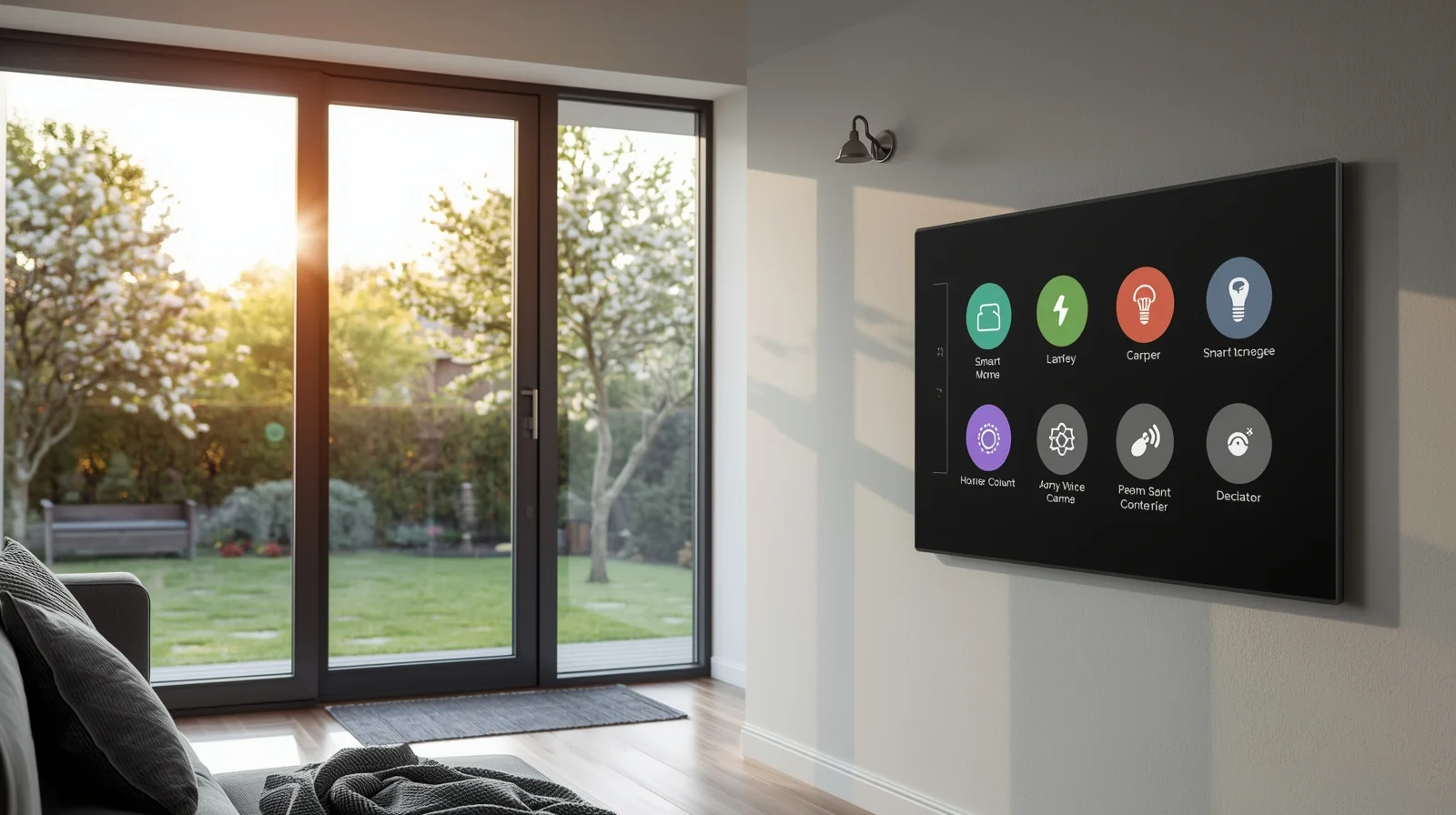
AI-powered automation
Smart homes are evolving from manually controlled systems to self-learning environments. Heating, lighting, and shading automatically adapt to residents’ behavior, optimizing comfort and energy consumption.
Examples: Google Nest Thermostat, Amazon Echo
AI-powered automation means that a smart home no longer reacts solely to predefined rules, but analyzes residents’ behavior and independently makes decisions based on it. Systems use sensor data such as motion, temperature, lighting conditions, and presence to continuously optimize processes.
Intelligent heating control
Modern thermostats learn when residents are at home and what temperatures they prefer. This allows energy to be used efficiently.
- In the morning, the bathroom is automatically preheated
- When residents are away, the temperature is lowered
- In the evening, the apartment is warmed up again in time
Additionally, external factors such as weather or sunlight are taken into account. Systems like the Google Nest Thermostat thus optimize both comfort and energy consumption at the same time.
Adaptive lighting
Smart lighting systems automatically adjust to the time of day and usage.
- Bright, cool light in the morning
- Warm, dimmed light in the evening
- Automatic shut-off when no one is present
Systems like Philips Hue detect which rooms are in use and adjust the lighting accordingly.
Automatic shading
Roll-down blinds and venetian blinds respond to environmental conditions and help regulate the indoor climate.
- In summer, they close when there is strong sunlight
- In winter, they make targeted use of solar heat
- They reduce the need for air conditioning or heating
Presence detection
The system automatically detects whether someone is home and adjusts all functions accordingly.
- When leaving: Lights off, heating down, security system active
- When coming home: Lights on, comfortable temperature, devices active
Voice assistants like Amazon Echo can also trigger routines.
Real-time energy optimization
AI analyzes electricity consumption and controls devices efficiently.
- Washing machine runs during off-peak hours
- Devices in standby mode are automatically turned off
- Peak loads are avoided
In combination with energy storage systems such as the Tesla Powerwall, self-generated electricity is used optimally.
Self-learning routines
A key advantage is that no manual programming is required. The system automatically recognizes recurring patterns.
- Evening lighting settings are automatically applied
- Temperature adjustments occur without intervention
- Individual habits are permanently saved
Energy Management and Cost Control
Rising energy prices are bringing intelligent energy management into focus. Systems analyze consumption in real time and integrate photovoltaics and battery storage.
Examples: Tesla Powerwall, SMA Solar Technology solutions
With rising energy prices, smart energy management is becoming increasingly important. Modern systems analyze electricity consumption in real time and automatically control devices to reduce costs and maximize energy efficiency. This becomes particularly effective through the integration of photovoltaics and battery storage.
Real-time analysis of energy consumption
Smart home systems track the electricity consumption of individual devices and make this information transparent.
- Display of current consumption per device
- Identification of energy-hungry devices
- Targeted optimization of individual devices
This gives users full control over their energy costs.
Intelligent load shifting
Energy-intensive devices are automatically operated during off-peak hours.
- The washing machine runs at night or when electricity prices are low
- Dishwasher uses available solar power
- Electric car charges when rates are optimal
The system takes into account electricity prices, grid load, and the home’s own energy production.
Integration of photovoltaics
Photovoltaic systems are directly integrated into the energy management system.
- Self-consumption is prioritized
- Excess electricity is stored or fed into the grid
- Production and consumption are intelligently coordinated
Solutions such as SMA Solar Technology enable precise control and monitoring of energy flows.
Use of battery storage
Battery storage increases efficiency and reduces dependence on the grid.
- Storage of excess solar power during the day
- Use of stored energy in the evening
- Reduction in grid power consumption
Systems like the Tesla Powerwall ensure optimal use of self-generated energy.
Automatic prioritization of devices
The system determines which devices receive power and when.
- Important devices are prioritized
- Flexible loads are deferred
- Energy is distributed efficiently
Avoids peak loads
Simultaneous high power consumption is reduced.
- Devices start at staggered times
- Power peaks are automatically detected
- Costs are reduced
Forecast-based control
Advanced systems use forecasts for optimization.
- Weather data for planning solar production
- Electricity rates for cost optimization
- User behavior for automated processes
Matter standard for full compatibility
The Matter standard enables seamless communication between devices from different manufacturers. Users benefit from greater flexibility and less dependence on individual platforms.
Supported by: Apple, Google, Amazon
Smart security solutions
Modern security systems use artificial intelligence to detect unusual activity. Features such as facial recognition and package monitoring are becoming standard.
Examples: Ring Video Doorbell, Arlo Pro 5
Health-focused living
Smart homes integrate sensors to monitor air quality, sleep, and indoor climate. Systems actively respond to residents’ well-being.
Example: Withings Sleep Analyzer
Modern smart homes are increasingly integrating sensors and intelligent systems that specifically monitor and improve residents’ well-being. Factors such as air quality, sleep, temperature, humidity, and noise are continuously analyzed and automatically optimized.
Example: Air quality: Sensors measure CO₂ levels, particulate matter, and humidity. If air quality deteriorates, the system automatically activates ventilation or recommends opening the windows. In combination with air purifiers, indoor air quality is actively improved.
Example: Indoor climate: The temperature is dynamically adjusted—cooler for sleeping, warmer in the morning. At the same time, humidity is regulated to create a healthy indoor climate and prevent mold growth.
Example: Sleep analysis: Devices such as the Withings Sleep Analyzer track sleep phases, heart rate, and breathing patterns. The system detects sleep quality and automatically adjusts the environment, for example by dimming the lights, lowering the room temperature, or reducing background noise.
Example of automated response: If the system detects that residents are sleeping poorly, it can make long-term adjustments, such as a modified heating routine or optimized ventilation at night.
By combining this data, a holistic system emerges that not only reacts but actively contributes to improving health, sleep quality, and overall well-being.
Ambient Computing
Technology becomes invisible and operates in the background. Control is automatic or via voice and gestures, without requiring active user intervention.
Connected Home Appliances
Kitchens and households are becoming increasingly smart. Devices communicate with each other and automatically optimize processes.
Examples: Samsung SmartThings, Bosch Smart Home
Data Privacy and Local Processing
Especially in Europe, demand for privacy-friendly solutions is rising. Local data processing is increasingly replacing cloud-based systems.
Smart Home as a Real Estate Factor
Smart home technologies enhance the appeal of real estate. In high-demand markets such as Munich, they increase sales opportunities and rental prices.
Smart home technologies have evolved from a luxury niche product into a key value driver for real estate. They not only enhance living comfort but also optimize a property’s operating costs and security.
Impact on the real estate market
In highly competitive markets, technical features serve as a key differentiator. Properties with smart infrastructure often achieve:
- Higher sales prices: Buyers are willing to pay a premium for future-proof technology.
- Faster marketing: The appeal increases demand and shortens vacancy periods.
- Higher rental yields: Especially in the premium segment, smart home features justify higher base rents.
Real-world examples
Example 1: Munich
In prime locations such as Munich-Bogenhausen or Lehel, a modern standard is almost a prerequisite today. A condominium with networked heating control and an intelligent security concept (video intercom, app-controlled locking) stands out clearly from older buildings that have not been renovated. Investors use this to ensure value retention in a high-price environment.
Example 2: Energy Efficiency as a Selling Point
A single-family home equipped with smart shading and a networked photovoltaic system specifically appeals to environmentally conscious buyers. In times of rising energy costs, transparency regarding energy consumption via a dashboard becomes a strong economic argument in sales negotiations.
Example 3: Barrier-Free Living
Smart homes enable "Ambient Assisted Living" (AAL). Through automated lighting systems or fall detection systems, properties become attractive to an aging but affluent demographic, ensuring long-term rentability.
Conclusion
Smart home development in 2026 will be characterized by automation, energy efficiency, interoperability, and user comfort. Individual devices will take a back seat, while connected systems increasingly control everyday life autonomously.